
FTC’s Challenge Of Amgen/Horizon Merger Seeks To Fight Pharma Rebating Practices

Lawsuit Does Not Cite Overlap In Companies’ Portfolios

The US Federal Trade Commission is taking a stand against rebating and bundling practices pharma companies use in negotiations with payers as it seeks to block Amgen’s $28bn acquisition of Horizon.

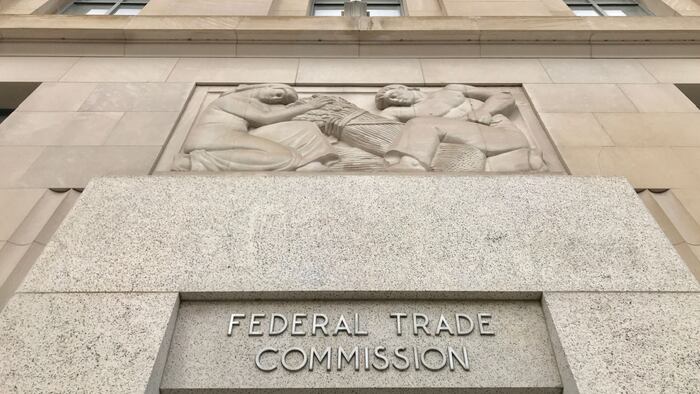
FTC FEDERAL TRADE COMMISSION headquarters building entrance with sign above door and exterior.
The FTC is calling out Amgen for bundled rebate practices • Source: Shutterstock

The US Federal Trade Commission is taking its fight against rebating and bundling practices that pharmaceutical companies employ in negotiations with payers to court, but not by suing to stop these tactics directly. Instead, the FTC said on 16 May that it is filing a lawsuit to block Amgen, Inc.’s $28bn purchase of Horizon Therapeutics plc to prevent the acquirer from obtaining greater power to block competition through drug price rebates it promises to pharmacy benefit managers (PBMs).

KEY TAKEAWAYS

  • The action represents a new tactic for the agency, seeking to block Amgen’s acquisition of Horizon because of the power it will have to affect market access via bundled drug price rebates.

The FTC did not point to any overlap in the two companies’ product portfolios or research and development pipelines, the...

Scrip Podcast

Keep up with the top pharma business news of the week. On the go.

Scrip brings you a weekly bulletin of top picks.

More from Deals

More from Business

  • How A New Healthcare Dialogue Is Driving Market Access In Mexico

    Companies stand a better chance of securing public reimbursement in Mexico for innovative medicines if they understand changing approaches to healthcare. The shift means the emergence of managed entry agreements and a focus on economic impact, explains AMIIF, Mexico's research-based pharmaceutical industry association.

  • How Novartis Is Elevating CVD Outcomes, Driving ‘Personalized Access’ In APMA

    Novartis’s APMA chief outlines the company’s tailored approach to deliver long-term outcomes, novel access solutions via innovative financing options and shape the CVD disease ecosystem in the extraordinarily diverse region. Partnering to build AI infrastructure is another key prong.

  • India Rare Diseases: Court Shows Path For Policy Action, Funding, Price Issues-- Test-2

    A court order encompassing funding, drug pricing, clinical trials and overall policy implementation aspects is expected to bring about a paradigm shift in the treatment of rare diseases in India. Sarepta, Roche and Sanofi are among the key players that have been part of pricing discussions.