The Factory Floor: Aurobindo Receives Another Form 483

Biocon, Indoco and Lupin Report Successful FDA Inspections

Aurobindo has received further Form 483s from the FDA, while Biocon has received an EIR for its Bengaluru facility. The FDA has also successfully concluded inspections for Indoco and Lupin, while ANI, Aptar and MicroSphere have made strategic moves.

Cogs_Quality_Control
Aurobindo has run-ins with the FDA over quality control measures • Source: Shutterstock

Aurobindo has received further Form 483 observations from the US Food and Drug Administration for two of its manufacturing facilities. Four observations for each facility were received after FDA investigators inspected the firm’s Unit V active pharmaceutical ingredient manufacturing facility at Pashamylaram, Hyderabad from 21-28 October 2019, and its Unit VIII, API manufacturing facility at Gaddapotharam, Hyderabad of the Company from 21-25 October 2019. Meanwhile, an inspection at Aurobindo’s Unit IV formulation manufacturing facility at Pashamylaram is in progress.

“We believe that these observations are related to procedural improvements and none of the observations are related to data integrity,”...

Generics Bulletin Podcast

Stay ahead of every shift in generics and biosimilars.

Generics Bulletin brings you the latest updates that matter for the off-patent industry.

More from Manufacturing

UK Invests £28m In NHS AI, But Industry Says Procurement And Training Will Determine Success - C13

 
• By 

The UK government has said it will invest almost £30m ($40.4m) in AI technologies to modernize the NHS and reduce wait times – but for the medtech sector, the devil will be in the details.

UK Invests £28m In NHS AI, But Industry Says Procurement And Training Will Determine Success - C12

 
• By 

The UK government has said it will invest almost £30m ($40.4m) in AI technologies to modernize the NHS and reduce wait times – but for the medtech sector, the devil will be in the details.

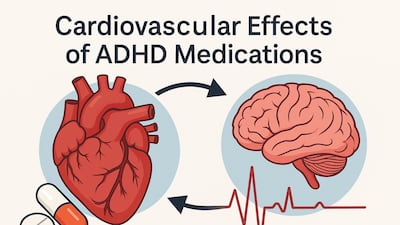
ADHD Medications and Cardiovascular Effects: New Data Revealed. (A Comprehensive Evaluation of Emerging Clinical and Epidemiological Evidence on the Cardiovascular Effects Associated with Prescribed Medications for Attention Deficit Hyperactivity Disorder) - Clone

 
• By 

A look at new research on the cardiovascular effects of ADHD medications and what it means for clinical care. This article explores the latest clinical and epidemiological research on the cardiovascular effects of medications commonly prescribed for ADHD, examining potential heart-related risks, underlying mechanisms, and their implications for patient safety, clinical decision-making, and long-term treatment strategies across diverse age groups and risk profiles.

Type:DisclosureDevelopments | Publication:GB | Section:Business | Paywall:Free — Article containing all Composer content for testing (Do not update)

 
• By 

Video provides a powerful way to help you prove your point. When you click Online Video, you can paste in the embed code for the video you want to add. You can also type a keyword to search online for the video that best fits your document.

More from Business

UK Invests £28m In NHS AI, But Industry Says Procurement And Training Will Determine Success

 
• By 

The UK government has said it will invest almost £30m ($40.4m) in AI technologies to modernize the NHS and reduce wait times – but for the medtech sector, the devil will be in the details.

Top 10 Drugs Q1 2026: New Sheriff In Town As Mounjaro Unseats Keytruda - Clone - Clone

Mounjaro, Eliquis, and Darzalex buck the Q1 trend to make gains

ADHD Medications and Cardiovascular Effects: New Data Revealed. (A Comprehensive Evaluation of Emerging Clinical and Epidemiological Evidence on the Cardiovascular Effects Associated with Prescribed Medications for Attention Deficit Hyperactivity Disorder) - Clone

 
• By 

A look at new research on the cardiovascular effects of ADHD medications and what it means for clinical care. This article explores the latest clinical and epidemiological research on the cardiovascular effects of medications commonly prescribed for ADHD, examining potential heart-related risks, underlying mechanisms, and their implications for patient safety, clinical decision-making, and long-term treatment strategies across diverse age groups and risk profiles.