AbbVie’s Ex-Humira Immunology Business Is Booming

The company raised 2024 revenue expectations, driven by the second quarter performance of its Humira successors Skyrizi and Rinvoq.

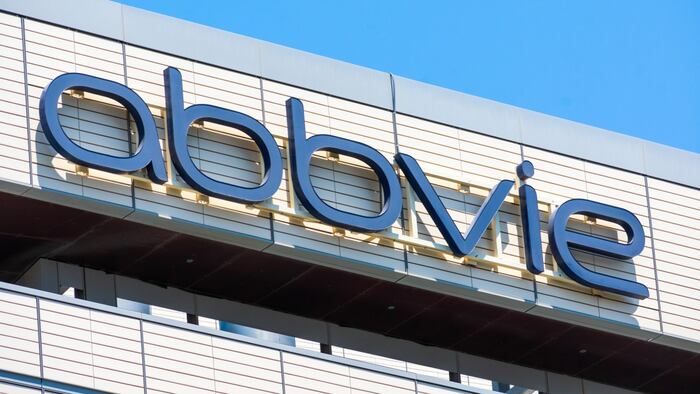
AbbVie released second quarter financial results • Source: Shutterstock

AbbVie Inc.’s big immunology growth drivers, Skyrizi (risankizumab) and Rinvoq (upadacitinib), delivered impressive growth in the second quarter, helping to offset declining sales of Humira (adalimumab) and leading the company to raise revenue forecasts for the year. The company reported second quarter sales and earnings on 25 July, including net revenues that beat the company’s expectations and analyst consensus estimates.

Key Takeaways

  • AbbVie raised revenue guidance for the year, driven by strong second quarter sales of Skyrizi and Rinvoq.

“Our ex-Humira growth platform, which covers more than 80% of AbbVie’s total sales, will outperform our initial full year sales...

Scrip Podcast

Keep up with the top pharma business news of the week. On the go.

Scrip brings you a weekly bulletin of top picks.

More from Earnings

More from Business

  • How A New Healthcare Dialogue Is Driving Market Access In Mexico

    Companies stand a better chance of securing public reimbursement in Mexico for innovative medicines if they understand changing approaches to healthcare. The shift means the emergence of managed entry agreements and a focus on economic impact, explains AMIIF, Mexico's research-based pharmaceutical industry association.

  • How Novartis Is Elevating CVD Outcomes, Driving ‘Personalized Access’ In APMA

    Novartis’s APMA chief outlines the company’s tailored approach to deliver long-term outcomes, novel access solutions via innovative financing options and shape the CVD disease ecosystem in the extraordinarily diverse region. Partnering to build AI infrastructure is another key prong.

  • India Rare Diseases: Court Shows Path For Policy Action, Funding, Price Issues-- Test-2

    A court order encompassing funding, drug pricing, clinical trials and overall policy implementation aspects is expected to bring about a paradigm shift in the treatment of rare diseases in India. Sarepta, Roche and Sanofi are among the key players that have been part of pricing discussions.