
Gene And Cell Therapies In Asia: Can China Deliver Despite Murky Regulations?

The first country ever to approve a gene therapy, China has been lagging in the area since due to a lack of clear regulatory pathways and insufficient financial incentives. Now a new crop of developers are aiming to revitalize ambitions and make the country a major power for promising novel treatments for rare neurodegenerative conditions, retinal dystrophy, HIV and cancer.

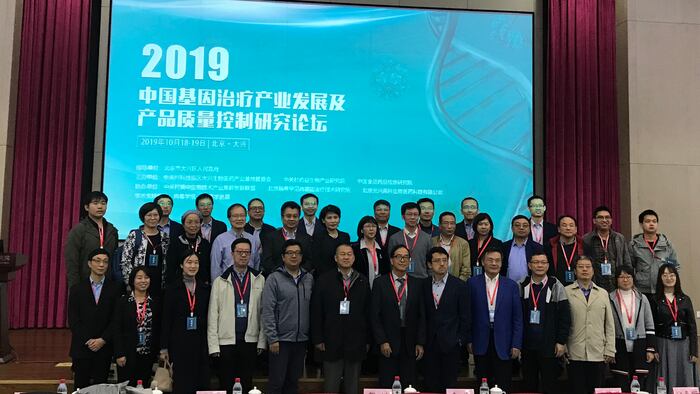
NIFDC'S FOURTH CHINA GENE THERAPY FORUM IN BEIJING 18-19 OCTOBER • Source: Shutterstock

In October, a deal between a Chinese vaccine developer and a US gene therapy firm caught industry attention. Tianjin-based CanSino Biotech teamed up with Pennsylvania bioventure Ocugen Inc. to develop and commercialize Ocugen’s OCU400, a gene therapy for genetic retinal conditions discovered by Harvard University Medical School’s Neena Haider.

CanSino will support clinical development including chemical, manufacturing and controls (CMC), and gained the rights to commercialize the gene therapy...

Scrip Podcast

Keep up with the top pharma business news of the week. On the go.

Scrip brings you a weekly bulletin of top picks.

More from China

  • Iran Deal In Place, But API Prices Stay Elevated And Pharma Supply Chains Face A Slow Recovery

    A framework to end the Iran war is in place but fractured supply chains can’t recover overnight. Data from India suggests solvent prices have generally cooled from April peaks, but API costs stay elevated or even climbed in June for some products.

  • Embracing China’s Brave New Pharmaceutical World!

     
    • By 

    Already one of the world’s largest pharmaceutical markets, China has tremendous growth potential, but significant policy and market changes are rocking the basis of competition. Multinational biopharma corporations cannot succeed in this new environment unless they fundamentally reinvent their business models to adapt to sweeping change.

  • Spotlight On RDCs, AOCs As Leading Novel Bioconjugates[Updated]

    Pipelines in bioconjugates continue to develop, from ADCs to XDCs, with radionuclide drug conjugates (RDCs) and antibody-oligonucleotide conjugates (AOCs) leading the expansion.

  • Fosun ALK/ROS1 Inhibitor Shows 1L Promise In Advanced NSCLC

    Interim results from the Phase III REMARK study presented at WCLC showed the Chinese company’s second-generation ALK/ROS1 inhibitor met its primary endpoint as a first-line therapy in ALK-positive advanced NSCLC.

More from Focus On Asia