
Assuring International Manufacturers Are Trusted Partners Made More Crucial For US Brand Owners

Supreme Court finds presumption against extraterritorial reach of US laws, saying Congress never “affirmatively and unmistakably instructed” Lanham Act provisions apply to foreign conduct. Contracting with manufacturers abroad is potential pitfall for protecting trademarks, along with licensing brands to foreign marketers.

• Source: Shutterstock

A recent US Supreme Court decision should steer marketers across branded product sectors, including consumer health and beauty products, to make sure their agreements with manufacturers, distributors and other businesses in other countries will prevent infringing their trademarks.

“They should make it clear that they own the trademark rights, and that those companies are not allowed to start...

HBW Podcast

Explore how consumer health is evolving. On the go.

David Ridley hosts in-depth conversations with industry leaders.

More from Legal

Nancy Tests SPARC-1050 Again


This is a short description. This is a short description. This is a short description.

Deference No More: More Challenges Against US FDA After Supreme Court Tosses Chevron Doctrine?

 
• By 

The Supreme Court’s 6-3 ruling is expected to have a minimal impact on drug approvals and other scientific determinations, but matters steeped in the interpretation of regulation and statute, such as marketing exclusivity, could face a heightened risk of challenge, legal experts say.

Ordinary Marketing Or Consumer Trap? Talking ‘Dark Patterns’ With Attorney Lauren Aronson

 
• By 

Whether called “dark patterns,” “shady” online marketing practices, or simply deception on the internet, the issue has taken on high importance at the US Federal Trade Commission and is being tackled by new laws in a growing number of states. Amin Talati Wasserman partner Lauren Aronson discusses in this interview with HBW Insight.

FTC Might Need More Illumination On Proposed Rule For Online Consumer Product Reviews


BBB National Programs found FTC’s proposed Trade Regulation Rule on the Use of Consumer Reviews and Testimonials largely effective with some certainty on whether product reviews or customer testimonials are violations of its false advertising standards. But it =expects some clarifications may come in final rule.

More from Policy & Regulation

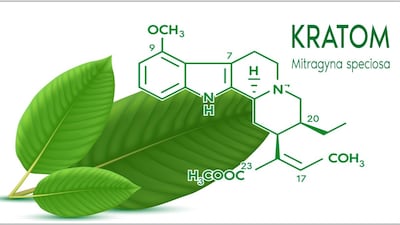
Kratom Industry Argues FDA Wants To Label All Products As Adverse Events Without Evidence


Week after publishing safety alert about OPMS Black Liquid Kratom “linked to serious adverse health effects, including death,” FDA announced market research “to understand and characterize emergent risk/safety and perceived benefits reportedly linked to kratom and psychedelics.” But it withdrew the study 10 days later.

ACNU Switch And IND Exemption Final Rules Targeted For October In FDA Regulatory Goals


Semi-annual regulatory agenda of non-binding target dates also sets December goal for an NPRM to recognize N-acetyl-L-cysteine as a lawful dietary ingredient. Like IND exemptions rule, item on NAC included for first time in FDA’s list.

'Inside Regulatory Affairs' With The Honest Company’s Sharee Crumbey And Monica Sharda

 
• By 

In this installment of HBW Insight’s “Inside Regulatory Affairs” series, we hear from Sharee Crumbey and Monica Sharda, regulatory affairs specialists at The Honest Company, about the mounting challenges and rewards of the job.