FDA MUsT Shows Sunscreen Ingredient Absorption ‘Not Just A Theoretical Concern’
• By Lauren Nardella
Generate a summary of this article
Listen to this article
In FDA’s maximal usage trial published May 6 in JAMA, oxybenzone, octocrylene, avobenzone and ecamsule all absorbed into subjects’ bloodstreams at levels that raise systemic safety questions. The active ingredients are among 12 that FDA identified in a February proposed rule as currently lacking data to support continued GRASE status.
A maximal usage trial (MUsT) conducted by FDA researchers demonstrates that sunscreen active ingredients can penetrate skin to reach the bloodstream at higher levels than previously believed.
Published online May 6 in the Journal of the American Medical Association, the pilot study involving 24 healthy volunteers,...
Explore how consumer health is evolving. On the go.
David Ridley hosts in-depth conversations with industry leaders.
Green Pharmaceuticals’ SnoreStop Nasal Spray, previously marketed as “NasoSpray,” still is available even though agency officials on multiple occasions for a month recommended a recall after an April inspection found “gross microbial contamination” in one lot.
Global beauty giant is working to adapt its approach to the prestige market to meet escalating competition, increased points of sale, and more knowledgeable consumers with new shopping habits, CFO Tracey Travis said at the Barclays Global Consumer Staples Conference.
Court order dismisses claims against Perrigo and Joseph Papa, its former CEO, with prejudice. Settlement also bars any claim against plaintiffs and class members, “whether arising under state, federal, common or foreign law,” alleging liability for losses.
Proposal to have panelists rate the strength of efficacy and safety evidence on a numeric scale also draws support in written comments on ways to optimize the advisory committee process.
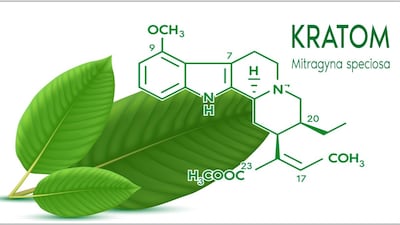
Week after publishing safety alert about OPMS Black Liquid Kratom “linked to serious adverse health effects, including death,” FDA announced market research “to understand and characterize emergent risk/safety and perceived benefits reportedly linked to kratom and psychedelics.” But it withdrew the study 10 days later.
Semi-annual regulatory agenda of non-binding target dates also sets December goal for an NPRM to recognize N-acetyl-L-cysteine as a lawful dietary ingredient. Like IND exemptions rule, item on NAC included for first time in FDA’s list.