FDA Says No Decision Reached Yet On Oxybenzone/Octinoxate Ban Petition

According to industry, available scientific evidence regarding oxybenzone’s and octinoxate’s effects on coral does not support their removal from the OTC sunscreen drug monograph’s list of permitted UV filters, and FDA is fully compliant with federal environmental laws, contrary to the Center for Biological Diversity’s suggestions. FDA says the petition raises complex issues requiring extensive review.

White color of hard corals is coral bleaching. The main cause of coral bleaching is heat stress resulting from high sea temperatures.

The Center for Biological Diversity will have to continue waiting for FDA’s decision on its petition seeking a ban on oxybenzone and octinoxate use in sunscreens, a request that drew strong opposition from industry groups.

According to FDA, the petition – submitted by CBD in late May – “raises complex issues requiring extensive review and...

HBW Podcast

Explore how consumer health is evolving. On the go.

David Ridley hosts in-depth conversations with industry leaders.

More from Archive

Non-US Approvals - Clone

Devices authorized for marketing outside the US. Data derived from Citeline’s Meddevicetracker. Updated weekly.

Patient access to unapproved medical products allowed under DeFazio, Daschle bills.

 
• By 

PATIENT ACCESS TO UNAPPROVED MEDICAL PRODUCTS WOULD BE ALLOWED under legislation introduced by Rep. Peter DeFazio (D-Ore.) on July 12 and Sen. Tom Daschle (D-S.D.) on July 14. Called the Access to Medical Treatment Act, the legislation would allow health practitioners to administer unapproved drugs, devices, foods or dietary supplements to patients as long as there is no evidence the treatment causes harm and the patient is informed about the treatment and its possible side effects. DeFazio's bill is identified as HR 2019; Daschle's version will be assigned a bill number the week of July 17.

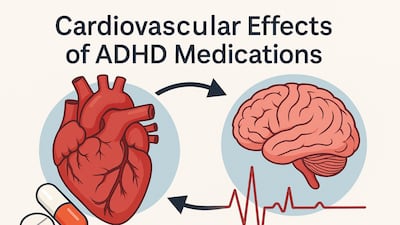
ADHD Medications and Cardiovascular Effects: New Data Revealed. (A Comprehensive Evaluation of Emerging Clinical and Epidemiological Evidence on the Cardiovascular Effects Associated with Commonly Prescribed Medications for Attention Deficit Hyperactivity Disorder)

 
• By 

A look at new research on the cardiovascular effects of ADHD medications and what it means for clinical care. This article explores the latest clinical and epidemiological research on the cardiovascular effects of medications commonly prescribed for ADHD, examining potential heart-related risks, underlying mechanisms, and their implications for patient safety, clinical decision-making, and long-term treatment strategies across diverse age groups and risk profiles.

More from HBW Insight

data

Type:DataArticle | Publication:HBW | Section:Health | Paywall:Premium — Article containing all Composer content for testing (Do not update)

 
• By 

To make your document look professionally produced, Word provides header, footer, cover page, and text box designs that complement each other. For example, you can add a matching cover page, header, and sidebar. Click Insert and then choose the elements you want from the different galleries.

Test: PDF Link Lifetime

Description description

headline test

description