
Formaldehyde found in Brazilian Blowout products

After receiving complaints from consumers, Oregon's Occupational Safety & Health Division and Canadian regulatory body Health Canada tested and determined products from California-based Brazilian Blowout contain high levels of formaldehyde. Using four different testing methods, Oregon OSHA found product samples to have formaldehyde levels between 4.85% and 10.6%, while Health Canada found samples with 12% formaldehyde. In its Oct. 5 release, Brazilian Blowout - marketer of a hair-smoothing treatment administered by salons - says its own testing shows trace formaldehyde levels of less than 0.002%, which is considered safe and "allows for use of the term 'formaldehyde-free.'" Health Canada received complaints of "burning eyes, nose and throat, breathing difficulties," it says, as well as one report of hair loss from use of Brazilian Blowout products. It issued an advisory Oct. 7 urging stylists to stop using Brazilian Blowout treatments and directing consumers to seek medical attention if they are exhibiting reactions. Brazilian Blowout maintains the level of formaldehyde is 10,000 times less than the 40 parts-per-million concentration limit set by California's Proposition 65. As the firm continues its investigation into the claims, "we are confident that all misinformation and inaccurate data will soon be dispelled," it says. FDA weighs in with a notice on its website Oct. 8, stating it has not received any official adverse event reports on Brazilian Blowout but is working with state and local organizations "to determine whether the products or ingredients would be likely to cause health problems under the intended conditions of use.

Explore how consumer health is evolving. On the go.


More from Archive
Devices authorized for marketing outside the US. Data derived from Citeline’s Meddevicetracker. Updated weekly.
- • By
PATIENT ACCESS TO UNAPPROVED MEDICAL PRODUCTS WOULD BE ALLOWED under legislation introduced by Rep. Peter DeFazio (D-Ore.) on July 12 and Sen. Tom Daschle (D-S.D.) on July 14. Called the Access to Medical Treatment Act, the legislation would allow health practitioners to administer unapproved drugs, devices, foods or dietary supplements to patients as long as there is no evidence the treatment causes harm and the patient is informed about the treatment and its possible side effects. DeFazio's bill is identified as HR 2019; Daschle's version will be assigned a bill number the week of July 17.
- • By
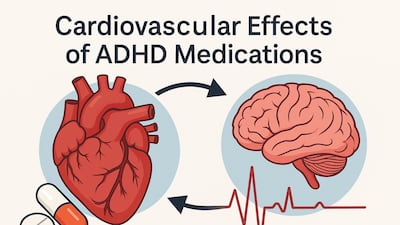
A look at new research on the cardiovascular effects of ADHD medications and what it means for clinical care. This article explores the latest clinical and epidemiological research on the cardiovascular effects of medications commonly prescribed for ADHD, examining potential heart-related risks, underlying mechanisms, and their implications for patient safety, clinical decision-making, and long-term treatment strategies across diverse age groups and risk profiles.

More from HBW Insight
- data• By
To make your document look professionally produced, Word provides header, footer, cover page, and text box designs that complement each other. For example, you can add a matching cover page, header, and sidebar. Click Insert and then choose the elements you want from the different galleries.