
Petition against cosmetic talc

Cancer Petition Coalition submitted a citizen petition to FDA May 13 seeking a warning on cosmetic talc powder products regarding link to ovarian cancer, the group announces May 19. Group additionally requests a public hearing to air evidence showing that genital application of talc can result in translocation to the ovary; coalition cites studies documenting increased risks of ovarian cancer by 30% to 60% from dusting genitals with talc power. Request reiterates a 1994 citizen petition denied by FDA seeking warning labels on talc powder. New petition stresses mortality of ovarian cancer for women over 65 has "escalated dramatically since 1975," making ovarian cancer the fourth most common fatal cancer in women. FDA Commissioner Andrew von Eschenbach "has failed to mandate a cancer warning label on talc powder, let alone ban its continued use," despite consistent reports of a correlation between talc powder and ovarian cancer, coalition says. The Environmental Working Group submitted a petition to FDA in 2004 asking the agency to investigate the safety of talc, among other cosmetic ingredients, but the request was denied (1"The Rose Sheet" Oct. 17, 2005, p. 4)...

Explore how consumer health is evolving. On the go.


More from Archive
Devices authorized for marketing outside the US. Data derived from Citeline’s Meddevicetracker. Updated weekly.
- • By
PATIENT ACCESS TO UNAPPROVED MEDICAL PRODUCTS WOULD BE ALLOWED under legislation introduced by Rep. Peter DeFazio (D-Ore.) on July 12 and Sen. Tom Daschle (D-S.D.) on July 14. Called the Access to Medical Treatment Act, the legislation would allow health practitioners to administer unapproved drugs, devices, foods or dietary supplements to patients as long as there is no evidence the treatment causes harm and the patient is informed about the treatment and its possible side effects. DeFazio's bill is identified as HR 2019; Daschle's version will be assigned a bill number the week of July 17.
- • By
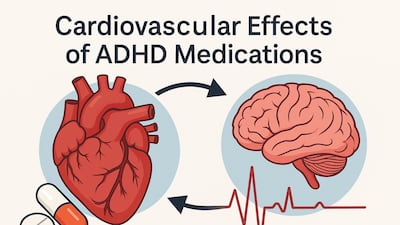
A look at new research on the cardiovascular effects of ADHD medications and what it means for clinical care. This article explores the latest clinical and epidemiological research on the cardiovascular effects of medications commonly prescribed for ADHD, examining potential heart-related risks, underlying mechanisms, and their implications for patient safety, clinical decision-making, and long-term treatment strategies across diverse age groups and risk profiles.

More from HBW Insight
- data• By
To make your document look professionally produced, Word provides header, footer, cover page, and text box designs that complement each other. For example, you can add a matching cover page, header, and sidebar. Click Insert and then choose the elements you want from the different galleries.